
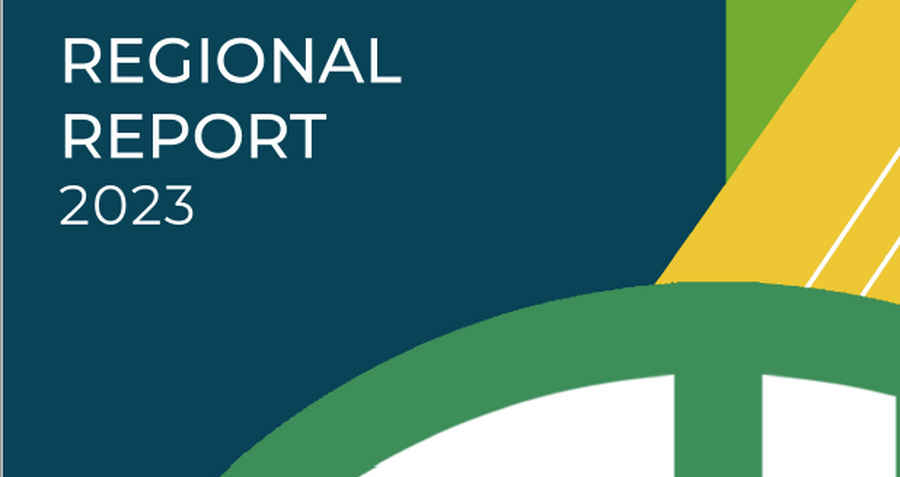
Հրապարակվել է 2023 թվականի «ՔՀԿ չափիչի» տարածաշրջանային զեկույցը։
ԹԻՀԿը հրավիրում է լրագրողներին՝ ներկայացնելու հետաքննական նյութերի առաջարկներ, որոնք վերաբերում են Երևան քաղաքի կառավարմանը:
Վեցօրյա հագեցած դասընթացի ամփոփիչ շաբաթում քննարկումների և դասախոսությունների միջոցով ներկայացվեցին հետաքննական լրագրությունը և տեղեկատվության ազատությունը որպես կոռուպցիայի դեմ պայքարի գործիք, կոռուպցիան ՏԻՄ-երում այլ թեմաներ։
Թրանսփարենսի Ինթերնեշնլ հակակոռուպցիոն կենտրոնը կշարունակի հանդիսանալ որպես ԹԻ հավատարմագրված ազգային կենտրոն։
ԹԻՀԿ-ը դատարան էր դիմել անցած տարեվերջին՝ պահանջելով ոչ իրավաչափ ճանաչել ՀՀ Ազգային ժողովի աշխատակազմի այն գործողությունը, որով մերժվել էր ԹԻՀԿ դիտորդի մասնակցությունը Կոռուպցիայի կանխարգելման հանձնաժողովի անդամի թափուր հաստիքի համալրման մրցույթի հարցազրույցի փուլին։
Ոլորտներ
 Կոռուպցիայի կանխարգելում
 Կոռուպցիայի վիճակ
 Քաղաքացիական տարածք և ներգրավում
 Հանրային ռեսուրսներ և ծառայություններ
 Իրավունք և իրավակիրարկում
 Քաղաքական համակարգ և ընտրություններ
 Գիտելիք և առաջնորդություն
 Հանրային ֆինանսներ և գնումներ
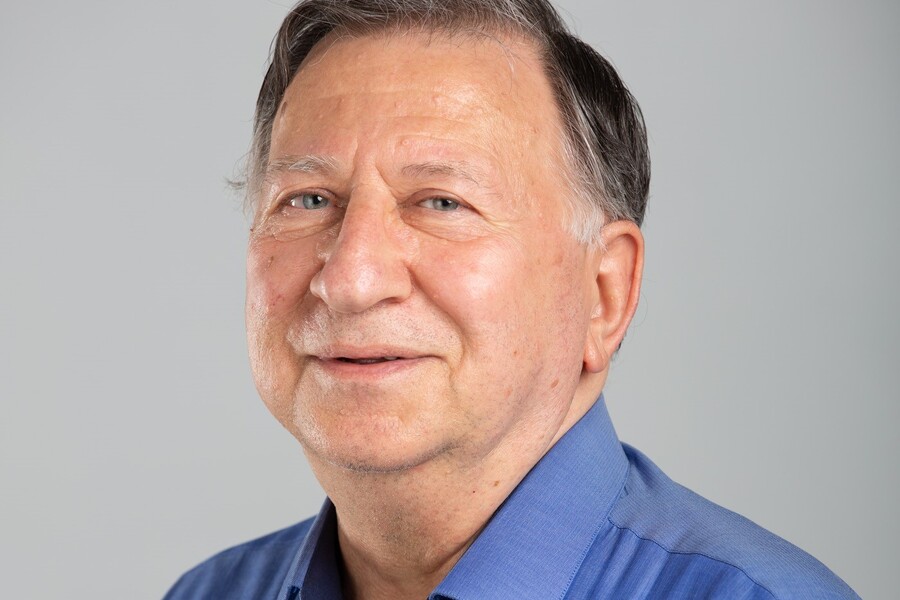
GRECO-ի առաջարկությունների հետքերով. Վարուժան Հոկտանյանի հարցազրույցը
GRECO-ն ՀՀ-ին առաջարկում է առնվազն երկու տարի սահմանափակել նախկին պաշտոնյայի նշանակումը ղեկավար պաշտոնում այն ոլորտում, որը ժամանակին համակարգել է։
2023 թվականի մարտահրավերները Արևելյան գործընկերության երկրների ՔՀԿ-ների համար
2023 թվականը Արևելյան գործընկերության երկրների ՔՀԿ-ները բազմաթիվ մարտահրավերների են բախվել։
ՔՀԿ 2023 տարածաշրջանային զեկույց
Հրապարակվել է 2023 թվականի «ՔՀԿ չափիչի» տարածաշրջանային զեկույցը։
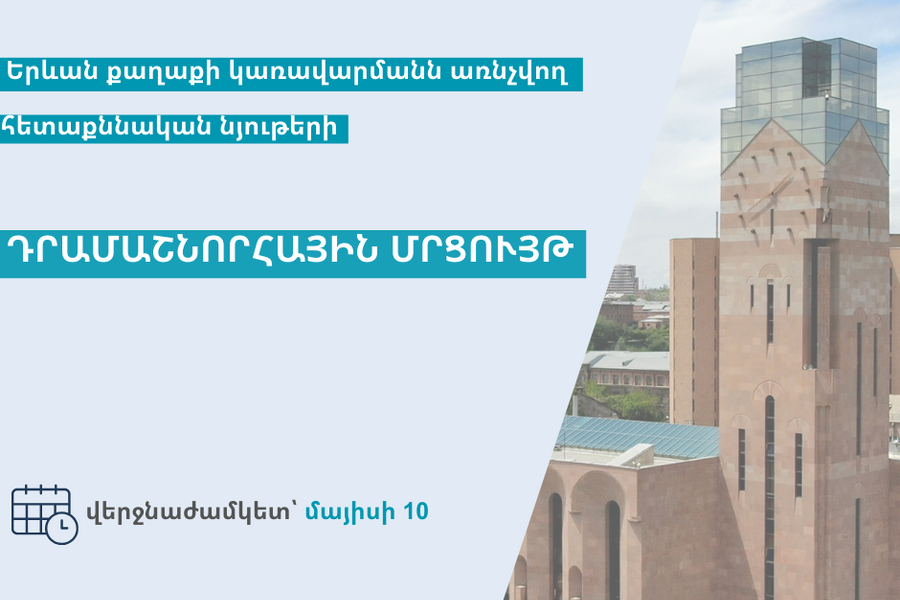
Երևան քաղաքի կառավարմանն առնչվող հետաքննական նյութերի դրամաշնորհային մրցույթ
ԹԻՀԿը հրավիրում է լրագրողներին՝ ներկայացնելու հետաքննական նյութերի առաջարկներ, որոնք վերաբերում են Երևան քաղաքի կառավարմանը:
Մինչ օրս
- 100+ ծրագրեր
- 120+ հրապարակումներ
- 80+ իրավական առաջարկների փաթեթներ
- 4500+ մարդ ստացել է հակակոռուպցիոն ուսուցում
- 5000+ մարդ մասնակցել է դիտարկման աշխատանքներին
- 5500+ մարդ մասնակցել է քննարկումներին
